
Improving platelet transfusion strategies for patients with cancer
Patients with hematologic cancers and those undergoing chemotherapy or stem-cell transplantation often develop thrombocytopenia—dangerously low platelet counts that increase the risk of bleeding. As a result, cancer care represents one of the largest areas of platelet transfusion use. Low platelet count-associated bleeding occurs in up to 40% of patients receiving intensive chemotherapy.
The THOR Research Institute is working to advance transfusion care for these patients by studying how platelets can be more effective, safer, and more readily available. A major focus of this research is exploring the potential of cold-stored platelets as an alternative to conventional room-temperature platelets to prevent and treat bleeding in this highly vulnerable patient population.

Three Pillars of Our Research
Improving Patient Outcomes
Preventing and controlling bleeding is the primary goal of platelet transfusion, but platelet count alone may not accurately predict a patient's risk of bleeding. Research suggests that platelet function and other factors may be equally important. THOR researchers are working to better understand these relationships and identify transfusion strategies that can more effectively prevent and control bleeding in hematology-oncology patients.
Advancing Cold-Stored Platelets
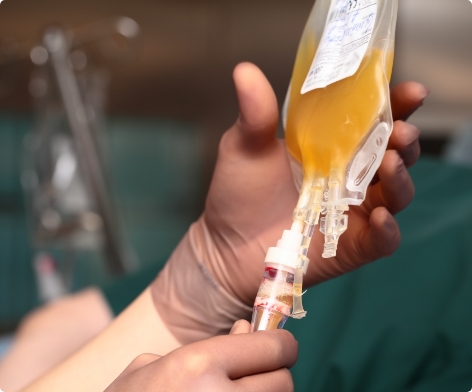
Conventional platelets are stored at room temperature and have a limited shelf life. Cold storage offers a promising alternative, with research demonstrating strong hemostatic function and the potential to extend platelet storage for up to 21 days. While cold-stored platelets have been studied in cardiac surgery, trauma, and other settings, important questions remain about their use in patients with cancer. THOR research aims to determine whether cold-stored platelets can safely and effectively prevent and treat bleeding in this unique patient population.
Expanding Access & Availability
The short storage life of conventional platelets contributes to shortages, waste, and limited availability—particularly in smaller hospitals and rural or remote healthcare settings. Extending platelet storage could help create a more reliable blood supply, reduce waste, simplify blood bank inventories, and make platelet transfusions available to more patients when and where they are needed.
Help Advance the Future of Transfusion Care
Our goal is to improve outcomes for patients with cancer while helping create a safer, more reliable, and more accessible platelet supply. Further research is essential to understand the role cold-stored platelets can play in preventing and treating bleeding in hematology-oncology patients. Support for the THOR Research Institute helps advance the research needed to answer these questions and translate new discoveries into better patient care.